
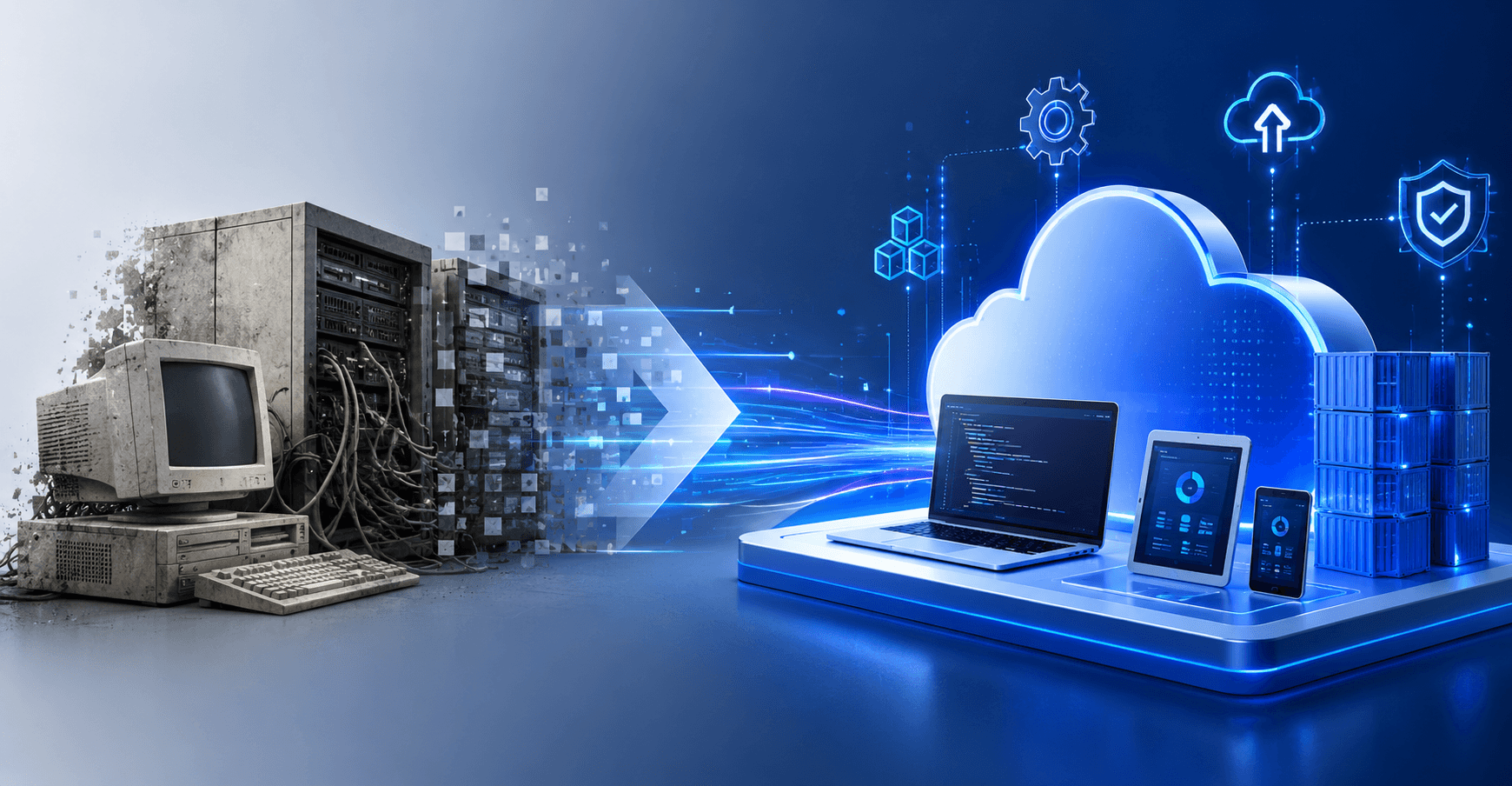
In the present day of fast digitalization, companies can't afford to be without the help of technology if they wish to remain ahead of the competition and remain relevant and efficient. Nonetheless, quite a number of companies still run with obsolete software, hardware and applications, which have been around for many years.
UpCodo Digital, Here comes the importance of Legacy System Modernization. Through the process of improving outdated applications and adopting modern technology, companies benefit through improved efficiency, savings, greater security and readiness for expansion.
In this blog post, we will discuss what legacy system modernization is all about, the significance of this process, its advantages and ways of achieving successful modernization.
What Is Legacy System Modernization?
Legacy System Modernization refers to modernizing, updating or even replacing older software, infrastructure, and business systems with the latest technology. The concept behind this method is to make the systems more efficient and in line with modern business requirements in terms of security and scalability.
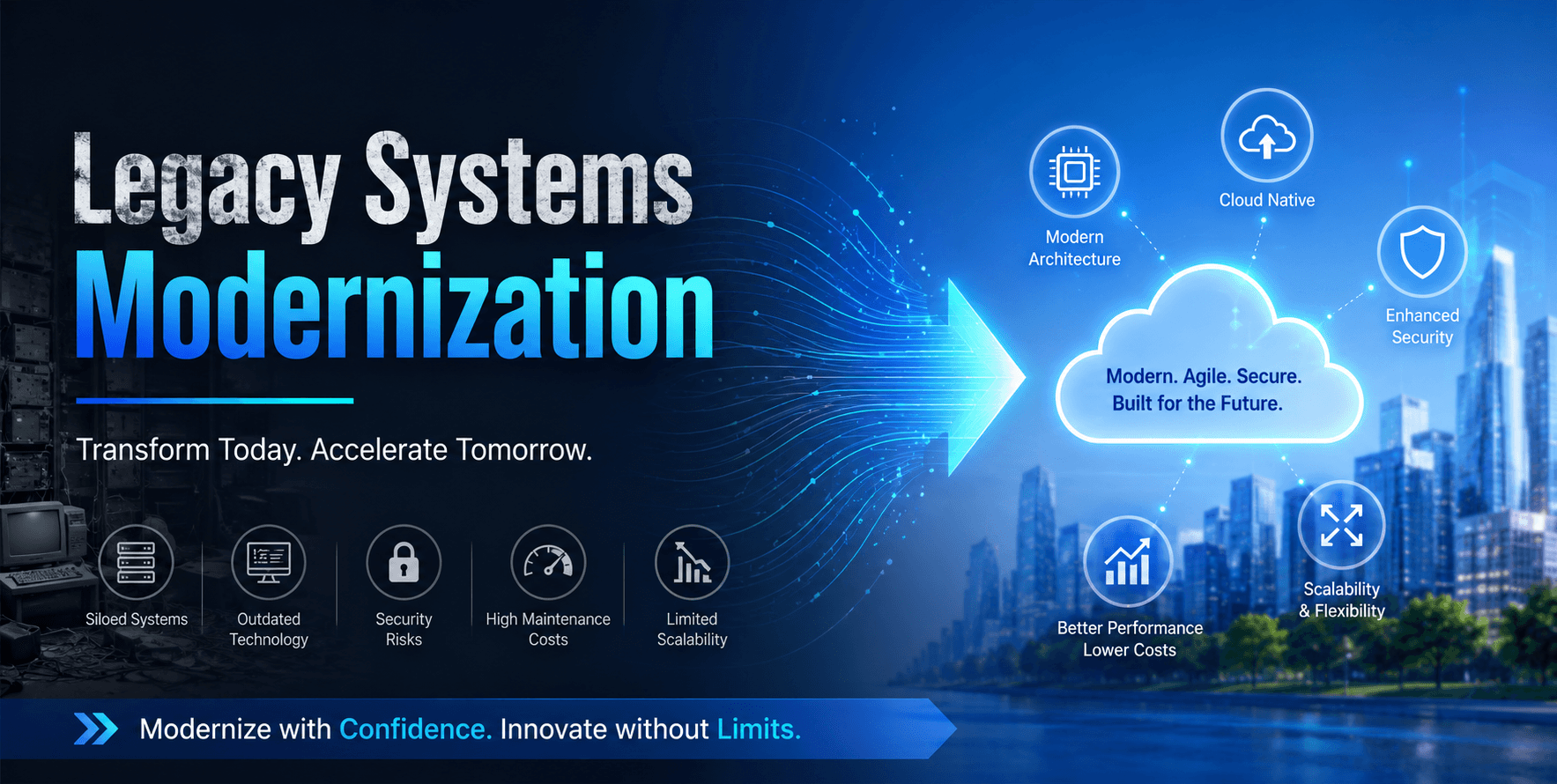
Legacy systems are usually developed using out-of-date programming languages, databases, or hardware, which may not be supported by vendors anymore. These systems can become costly to manage and incompatible with the new technological environment.
Some options for modernizing legacy systems include:
• Cloud migration of applications
• Software re-architecting
• Updating outdated UI
• Replacing the legacy database
• Third-party integration and API usage
• Business process automation
• Securing the systems
It is not always necessary to completely replace old systems. Organizations have the opportunity to slowly update their components without breaking the business process.
Top Reasons Businesses Need Legacy System Modernization
Technologies are constantly changing and companies that rely on outdated software solutions could have a difficult time keeping up with the demands of the market. Software that is outdated can create a variety of problems, including issues with operations, security risks and many other issues that affect the overall efficiency of a company.
1. Increased Business Flexibility
Today companies must be able adapt to the demands of customers and market trends. The outdated software is usually not up to the task of meeting these requirements and incorporating the latest features.
By implementing Legacy Modernization for Business Growth Companies are able respond faster to changes or introduce new products and keep an inch ahead of competitors.
2. Better Security and Compliance
Usually, there are many security issues in the old software, making it vulnerable to various cyber threats. Also, outdated software may not comply with existing regulations and requirements.
Modernization will allow companies to:
• Increase security
• Protect data better
• Conform to industry standards
• Limit security threats
Thus, companies invest in modern technologies to protect valuable information.
3. Reduced Maintenance Cost
Maintenance costs are high when using outdated technologies because many firms have to spend money on repairs, hiring specialist developers, etc.
With Future Ready Legacy System Modernization, the cost of maintenance will be lowered for companies, thus allowing them to use this money for other innovations.
4. Enhanced Performance & Reliability
Some problems such as low speed, system failures and other performance issues might affect the effectiveness of legacy systems.
However, modernized systems provide:
• Higher performance
• Enhanced reliability
• Less downtime
• Better user experience
Common Challenges of Legacy Systems
Before gaining an understanding of the advantages of modernization, it is important to understand the limitations of old systems.
Limited Scalability
As businesses expand, the technology requirements of their clients change. Systems that are older often struggle to cope with the increased load as well as users and the volume of data.
Poor Integration Capabilities
Modern companies rely on multiple digital platforms and software. The older systems are often not equipped with access to APIs or integration capabilities required to interface with the latest applications.
High Operational Risk
Hardware and software that are not supported increase the likelihood of failures as well as unexpected downtime that could disrupt the business process.
Talent Shortages
Finding IT professionals and developers skilled in the use of outdated technology is becoming increasingly difficult with time.
Reduced Innovation
Businesses utilizing old technology always face challenges in incorporating innovations such as artificial intelligence and automated cloud computing or data analysis.
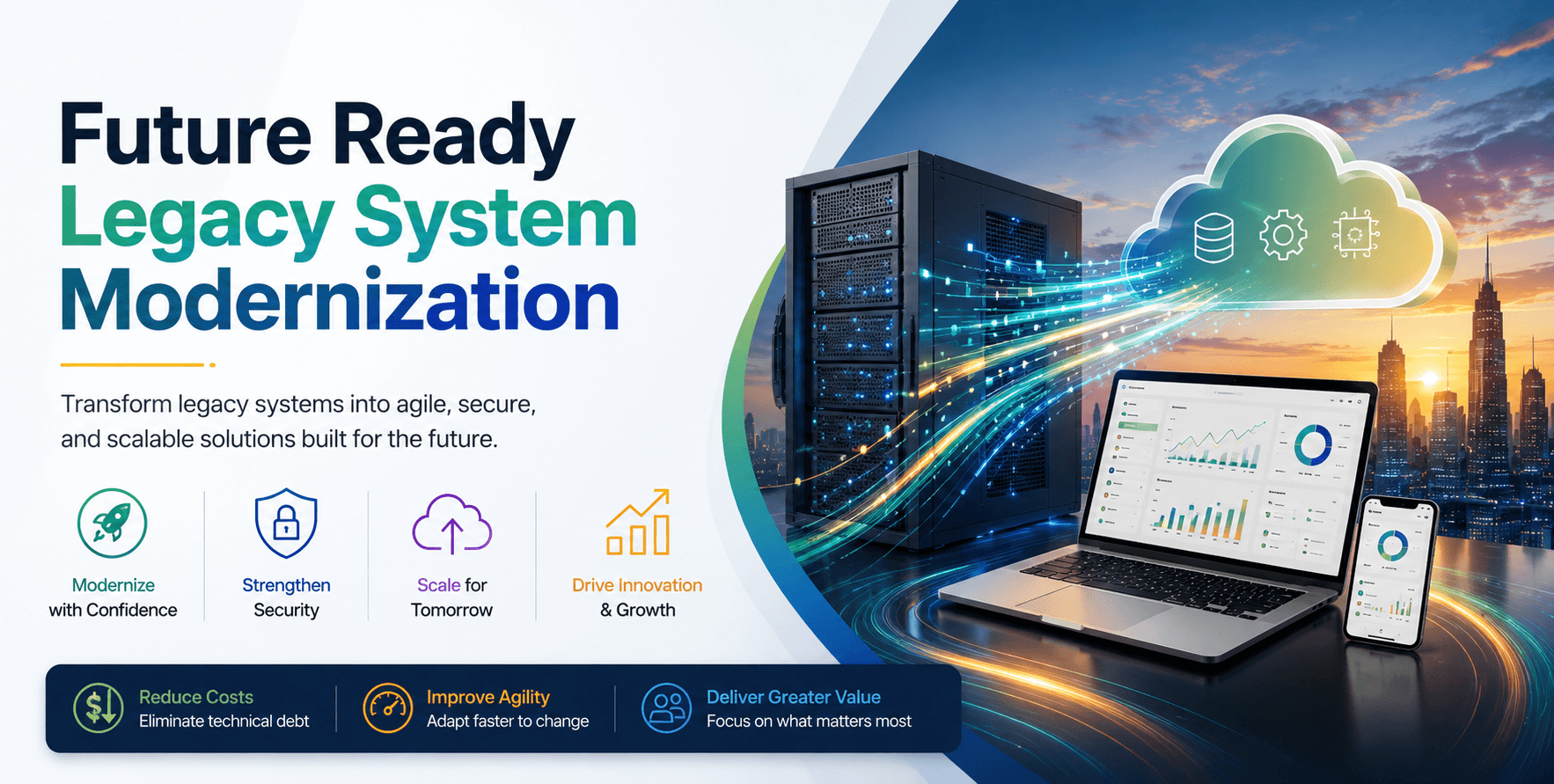
Key Advantages of Modernizing the Legacy Systems
Increased Operational Efficiency
Modern applications streamline workflows and automate repetitive tasks, enabling employees to focus on strategic activities.
Businesses can:
Improve productivity
Reduce manual processes
Minimize errors
Accelerate decision-making
Improved Customer Experience
Customers are looking for speedy seamless, seamless, and personal digital experiences. The legacy systems hinder the ability to deliver on these requirements.
Modernized platforms provide:
Faster response times
Better mobile experiences
Enhanced customer support
Improved service delivery
Greater Scalability
Cloud based systems today enable companies to increase their capacity to grow as per their demands without making heavy investments in infrastructure.
Decision Making Using Data
Advanced reporting, analytics, and business intelligence solutions in modern systems aid in taking effective decisions from data.
Competitive Advantage
The companies which Transform Outdated Software Today position themselves to develop faster and adopt the latest technologies to beat their competitors.
Popular Strategies for System Modernization
Every business has unique requirements and modernization strategies vary depending on existing systems and business goals.
Benefits include:
Faster migration
Lower costs
Minimal disruption
Refactoring
Refactoring is the process of re-engineering the source code of applications to enhance their performance, scalability and maintainability without any change in functionality.
Replatforming
The process of transferring applications to a contemporary environment while making minimal changes for performance enhancement takes place in organizations.
Rebuilding
In certain scenarios, companies prefer to redevelop applications in contemporary technology to satisfy changing needs.
Replacing
If the legacy systems cannot fulfill the business needs, companies may replace them with modern applications.
How to Successfully Modernize Outdated Business Systems
Successfully Modernize Outdated Business Systems by following a structured approach.
Assess Existing Systems
Begin by evaluating current applications, infrastructure, dependencies, and business processes.
Identify:
Performance issues
Security risks
Integration challenges
Maintenance costs
Analyze Existing Systems
Start by looking at current applications, infrastructure dependent systems and business processes.
Define Your Business Goals
Not all systems require immediate modernization. Focus on high-impact applications that deliver the greatest business value.
Prioritize Modernization Activities
Determine what are your objectives in terms of modernization, like efficiency enhancements or a more efficient customer experience.
Pick Your Technology Stack
Choose technologies that align with your company's goals in the long term and enable you to be innovative in the future. Modernization phases are designed to ensure a seamless flow of the process and assists you manage risks.
Monitor and Optimize
After implementation, continuously monitor system performance and make improvements as needed.
Future Ready Legacy System Modernization
Digital transformation is no longer optional for businesses seeking long-term success. Organizations must embrace technologies that support innovation, scalability, and resilience.
Future Ready Legacy System Modernization enables businesses to:
Leverage cloud computing
Adopt artificial intelligence and automation
Improve cybersecurity
Enhance customer experiences
Scale efficiently
By modernizing systems today, businesses can build a strong foundation for future growth and success.
Conclusion
The older software and infrastructure could delay innovation, cost more and expose companies to security risks.
When they make the decision for Modernize Outdated Business Systems, firms can increase efficiency, improve security, improve customer satisfaction and sustain growth. Through cloud transfer, application refactoring replacing the entire system modernization opens up new possibilities for growth and innovation.
Upcodo Digital, Businesses that adopt Legacy software Modernization for Business Growth get the flexibility and capabilities necessary to compete in today's fast-changing environment. If you're still relying upon outdated systems, now is the ideal moment to transform obsolete software as well as invest into a future-proof technology strategy that will ensure long-term business growth.
FAQ’s
1. What is Legacy System Modernization?
Ans: Legacy System Modernization is the process of upgrading outdated software, applications, and IT infrastructure to modern technologies. It helps businesses improve performance, security, scalability, and operational efficiency.
2. Why is Legacy System Modernization important?
Ans: Legacy System Modernization is important because outdated systems can increase maintenance costs, create security risks, and limit business growth. Modern systems help organizations stay competitive and future-ready.
3. What are the benefits of modernizing legacy systems?
Ans: Key benefits include improved security, faster performance, reduced operational costs, better customer experiences, enhanced scalability, and easier integration with modern technologies.
4. How do I know if my business needs Legacy System Modernization?
Ans: If your software is slow, difficult to maintain, expensive to support, lacks integration capabilities, or poses security concerns, it's likely time to modernize your legacy systems.
5. What are the common approaches to Legacy System Modernization?
Ans: Businesses can modernize systems through cloud migration, application refactoring, replatforming, rebuilding applications, or replacing outdated software with modern solutions.