Picture a mid-sized logistics company that just expanded into three new regions. Orders come from many channels. Inventory moves across warehouses with different rules. Compliance rules change by country. The operations team uses a popular ready-made platform. It once felt efficient. Now managers export data into spreadsheets for hours. They build manual workarounds. Numbers never quite match. Growth has outpaced the software. What started as a cost-saving choice now taxes productivity and decision speed every day.
This happens across industries. Complex businesses run unique processes. They face layered rules and strong competition. Generic tools rarely fit these needs. Decision-makers must choose whether they adapt the business to the software or build software that fits the business. Custom software development offers the second approach. For many enterprises it is now a must, not a luxury.
The custom software development market grows fast. Organizations see the limits of one-size-fits-all tools. Businesses that invest in tailored systems gain better alignment. They own their intellectual property. They improve efficiency and scalability. This article explains why complex organizations choose custom software solutions over templates. It shows how the economics change over time and what leaders should weigh in the decision.
1.Why Off-the-Shelf Software Creates Friction for Complex Operations
Off-the-shelf software targets the widest audience. Vendors pack features for many industries and sizes. This creates feature bloat and functional gaps. Teams use only a fraction of the tools. They still pay for the full suite. Research shows high rates of unused licenses. Many features never deliver value.
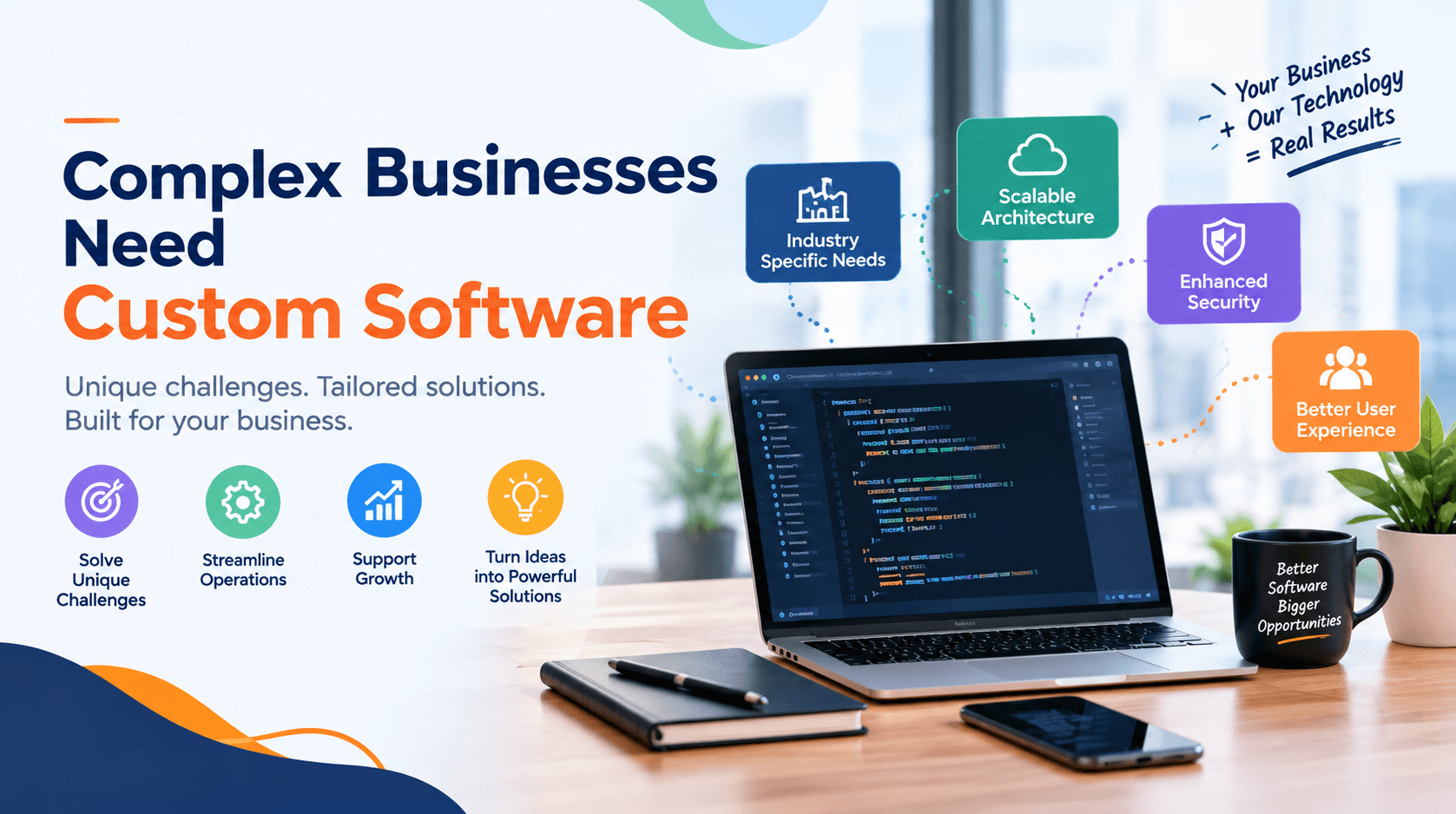
The mismatch grows sharper for complex businesses. Unique workflows, special compliance needs, and multi-system setups expose the rigidity. Connecting to existing systems often needs extra middleware, scripts, or manual steps. These workarounds eat staff time. They cause errors, create data silos, and slow down reporting and decisions.
Scalability brings more limits. Many ready-made platforms charge per user or module. Headcount or volume costs rise with them. Performance can drop under heavy loads outside the vendor’s design. Security and data control stay shared. The vendor sets the roadmap. Customers have little say on priorities or timing.
These limits build over years. Subscription fees climb. Customization requests grow expensive or impossible. Switching costs rise. Data and processes lock into the vendor’s setup. The low starting price hides a higher total cost for businesses with special needs.
2.How Custom Software Aligns Technology with Business Reality
Software development starts differently. The system follows the organization’s real processes, data, and growth plans. Teams do not adapt to the software. The software adapts to the teams. This creates clear advantages.
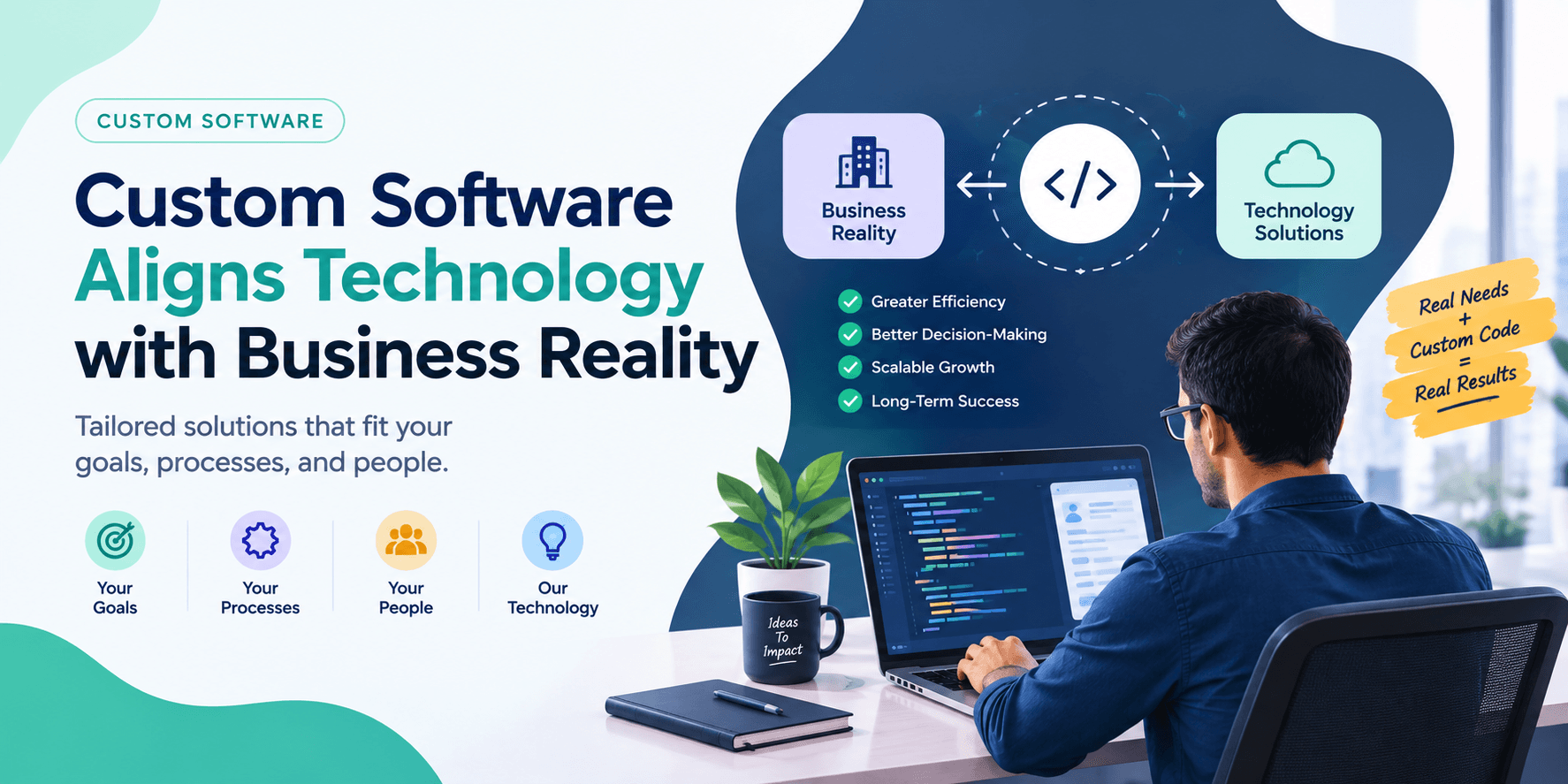
Every feature has a purpose.
- Unused parts stay minimal.
- Interfaces match how people work.
- Training takes less time.
- Users adopt the system faster.
Integration becomes planned, not patched. Data moves between systems by the business rules. Real-time views replace exports and checks. Decision-makers get one true source instead of conflicting dashboards.
Ownership stays inside the organization. Source code, data models, and roadmap decisions remain internal. Competitive features stay unique. Rivals cannot simply buy the same package. Intellectual property becomes a lasting edge.
Scalability follows the design, not price tiers. Capacity grows with infrastructure, not licenses. New modules or regions add without new contracts or compromises. Enterprises across regions or units keep consistent processes. They still allow local differences.
3.Measuring the Business Value: Efficiency, ROI, and Competitive Edge
Leaders judge software by results, not feature lists. Custom solutions improve key areas.
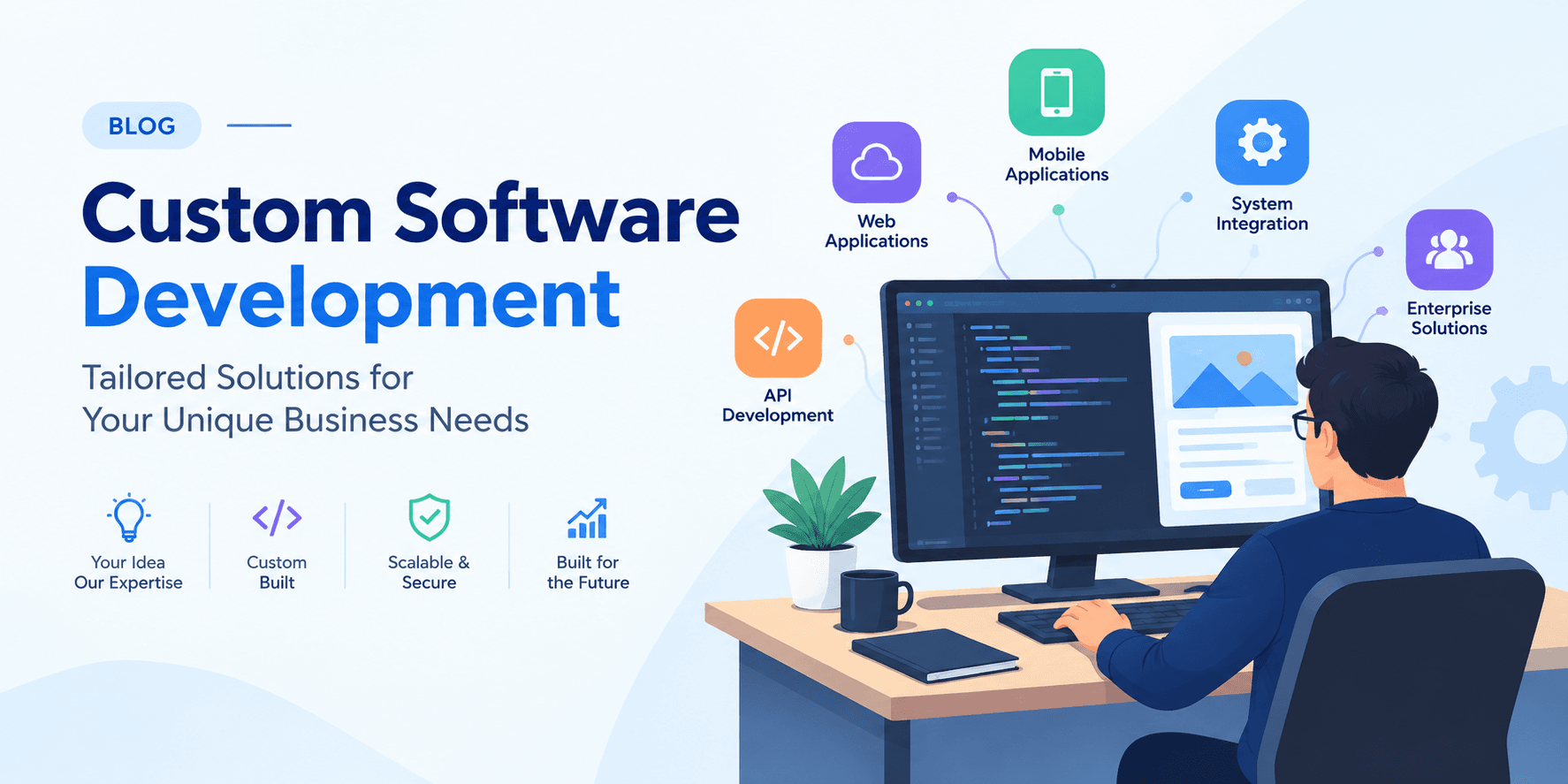
Operational efficiency rises when friction is minimized. Manual data work, duplicate entry, and exception handling fall. Studies of tailored systems show productivity gains of 20 to 40% in key workflows. Time spent fixing software limits returns to better work.
Cost structures shift over time. Upfront development costs more. Recurring license fees vanish. Maintenance stays predictable. It avoids annual price hikes. Integration and workaround costs drop. The system connects cleanly from the start. Five-year total cost analyses often favor custom software. This happens once users and complexity pass basic levels. Break-even often comes between years two and four. It depends on scale and use.
Return on investment covers cost savings and revenue gains. Faster cycles, fewer errors, and better customer experiences keep revenue and open new chances. Organizations that control core systems improve processes faster. Unique capabilities create hard-to-copy advantages.
Risk profiles improve too. Data rules, access controls, and audit trails match exact regulations. Vendor lock-in risk falls. Continuity no longer depends on a third party’s choices or security.
4.Difference Between Custom Software and Off-the-Shelf
A clear comparison helps decision-makers.
4.1.Upfront Investment and Time to Value
Off-the-shelf solutions launch fast. They need less starting capital. Custom projects take longer. They need more planning. Packaged software wins on speed for standard processes. Differentiated operations gain lasting fit from the longer timeline.
4.2.Total Cost of Ownership
Packaged software spreads cost through subscriptions. Custom mobile and web app software puts cost up front. Then it shifts to maintenance. User counts grow or heavy customization appears. Packaged costs often exceed custom ones within three to five years.
4.3.Fit and Flexibility
Packaged tools allow changes inside fixed limits. Custom software removes those limits. Changes that need vendor approval or high fees become internal priorities.
4.4.Scalability and Performance
Vendor platforms scale by their design and pricing. Custom systems scale by the business’s real loads and growth.
4.5.Control and Differentiation
Packaged software matches competitors who buy the same tool. Custom software builds unique strengths that support strategy.
The choice is rarely all or nothing. Many organizations use packaged software for basic tasks like accounting or email. They invest in custom development for core systems that drive advantage.
5.When Complex Businesses Benefit Most from Custom Development
Certain conditions make custom software the clear pick. High process uniqueness stands out. Workflows with special logic, compliance rules, or multi-party steps fit poorly in generic tools. Custom development cuts long-term friction.
Rapid growth or frequent process changes favor roadmap control. Organizations that enter new markets, add products, or restructure gain from systems that change on their schedule.
Heavy integration needs across old systems, partner platforms, and data sources favor custom work. Native design avoids rising costs and weak links from repeated patches.
Data sensitivity and strict rules raise the value of full control. Industries with tight residency, audit, or privacy needs often find tailored design eases compliance and lowers risk.
Strategic importance matters most. When software supports a core differentiator, not just support work, owning it as an asset matches technology to strategy.
6.Practical Considerations for Successful Custom Software Initiatives
Successful projects start with clear purpose. Leaders define the exact business results the system must deliver. They map the processes it must support. Requirements focus on real workflows and pain points. They avoid abstract feature lists.
Partner choice matters. Experience with similar complexity, clear communication, and proven delivery beat the lowest bid. Agile methods that deliver value in steps lower risk. They allow adjustments as learning grows.
Early architecture choices shape long-term cost and flexibility. Modular design, clear data models, and easy maintenance stop the system from becoming a future legacy. Security, monitoring, and testing build in from the start.
Change management gets equal focus. Even strong systems fail without user adoption. Training, feedback, and visible improvements build momentum.
Ongoing ownership includes planned maintenance and steady improvement. Custom software is not a one-time buy. It is a living capability that needs care to stay aligned with the business.
7.Real-World Patterns Across Industries
Logistics and supply chain firms often outgrow generic platforms. Multi-warehouse rules, dynamic routing, and partner links multiply. Custom systems that embed those rules cut exceptions and cycle times.
Marketplace operators and digital platforms need software that matches their unique matching logic, fees, and trust rules. Off-the-shelf tools force compromises that limit difference.
Financial services and healthcare face layered compliance and data protection. Custom development builds exact controls and audit trails that packaged solutions only partly cover.
Manufacturing and field service companies combine complex scheduling, inventory, and customer communication. Tailored applications remove the spreadsheets and disconnected tools that gather around generic systems.
These patterns share one point. Complexity that drives strategy rewards ownership of the software that supports it.
8.Conclusion
Complex businesses create value through unique processes, deep knowledge, and faster adaptation than their competitors. Software that forces those processes into standard molds extracts a quiet, steady cost. It hits efficiency, agility, and strategic freedom. Custom web app software development flips the relationship. Technology serves the business model. It does not limit it.
The economic case grows with scale and uniqueness. Higher starting investment brings lower long-term friction. It brings clearer ownership of key capabilities. It brings freedom to evolve systems with strategy. Organizations that treat core operational software as a strategic asset, not a rented commodity, turn operational strength into a competitive edge.
Leaders facing growth, rules pressure, or process complexity should check their current tools. Do the tools still support the business they want to become? When the answer is no, custom software solutions restore alignment between technology and goals. The result is not just better software. It is a stronger organization.
9.FAQs
Why do complex businesses outgrow off-the-shelf software?
Ans. Unique workflows, multi-system setups, and special compliance needs eventually exceed the limits of packaged tools. Manual workarounds and rising license costs show the mismatch.
How does custom software improve scalability compared with templates?
Ans. Capacity and features expand by design, not vendor pricing or roadmap priorities. Growth in users or transactions does not force matching cost increases.
What risks should leaders consider before choosing custom development?
Ans. Upfront investment is higher. Delivery depends on clear requirements and strong partners. Poorly managed projects can run over. Disciplined scoping, step-by-step delivery, and experienced teams cut these risks sharply.
How does custom software support competitive advantage?
Ans. Proprietary logic and process automation become owned intellectual property. Competitors cannot buy it. The organization controls the roadmap. It can improve key customer capabilities faster.
When is off-the-shelf software still the better choice?
Ans. Commodity functions with standard processes, low differentiation value, and modest user counts often favor packaged solutions. They offer speed and a lower starting cost. The decision should rest on strategic importance and long-term total cost, not just convenience.