Do you know where your company's money is going right now?
Look around your office. You probably see empty desks with expensive laptops sitting idle. If you check your corporate credit card statements, you will find monthly software subscriptions that nobody actually uses. Your business loses thousands of dollars every single week just because you lost track of your own stuff.
Spreadsheets will not save you. They break the moment your team gets busy and forgets to type in an update. Equipment walks out the door. Machines break down early because nobody changed the oil.
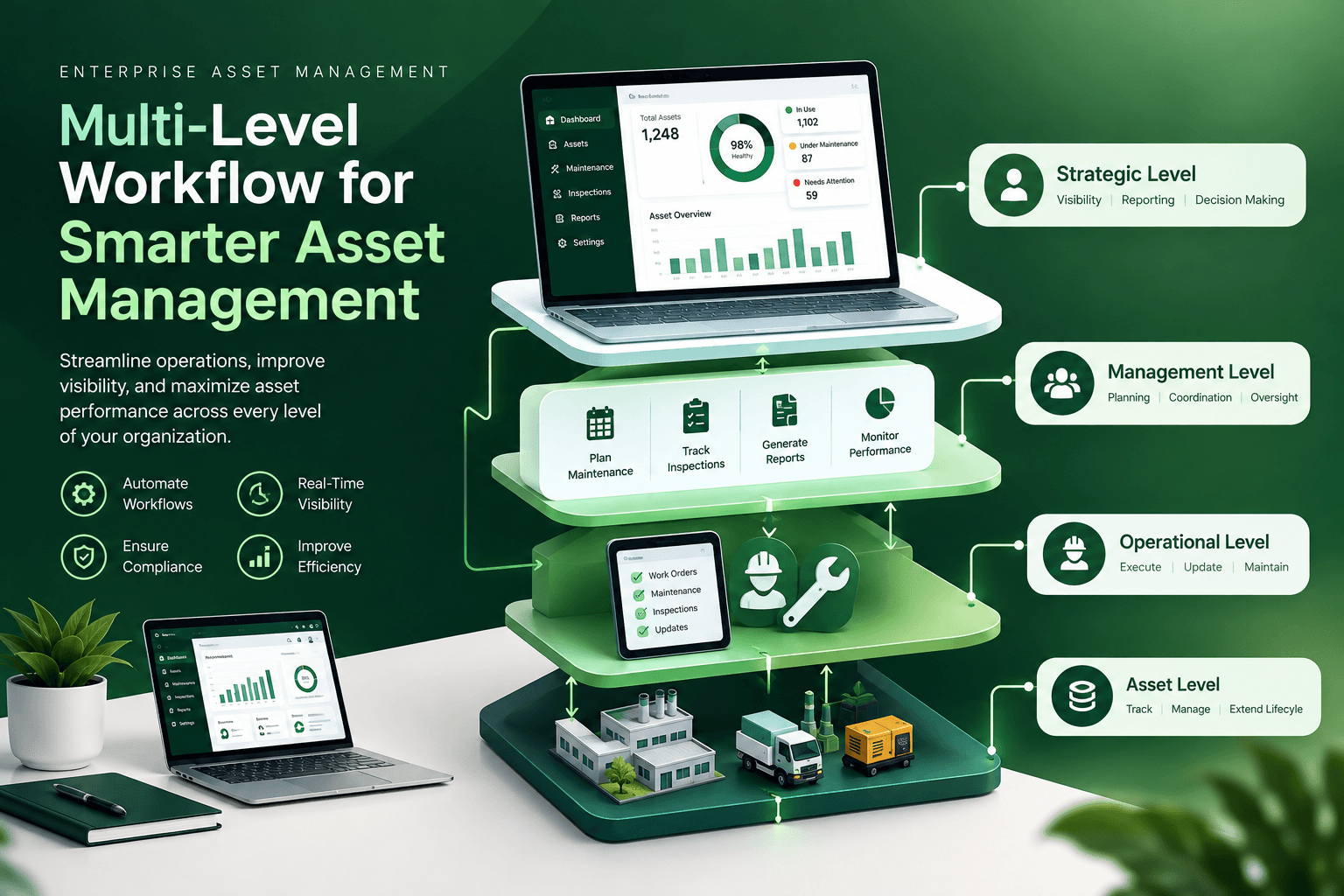
To stop running out of cash, you need a real asset management system. This tool gives you one clear screen to see everything your company owns. In addition, it shows you who has what, how much it costs, and if it still works.
So, by reading this guide, you will get to know the metrics and assets that your software tracks.
1.What Assets and Metrics Should You Track for Better Management?
There is a common failure pattern with asset tracking software rollouts.
A company gets excited, logs every item down to the coffee machine, and then watches the whole thing collapse under its own weight. Nobody updates the records. The data fluctuates as expected. The project collapses quietly.
The goal is not volume. The objective is tracking what changes decisions.
Ask yourself this before adding any field: if I knew this information, would I spend money differently, plan differently, or reduce a risk? If the answer is no, leave it out. If the answer is yes, it belongs in your system.
Good asset inventory management is about signals. Everything else is noise that makes people stop caring.
2.What Types of Assets Should You Actually Track?
Most people hear "assets" and picture laptops. That is a thin sample of the real picture. Here are the categories that matter.
2.1.IT Hardware
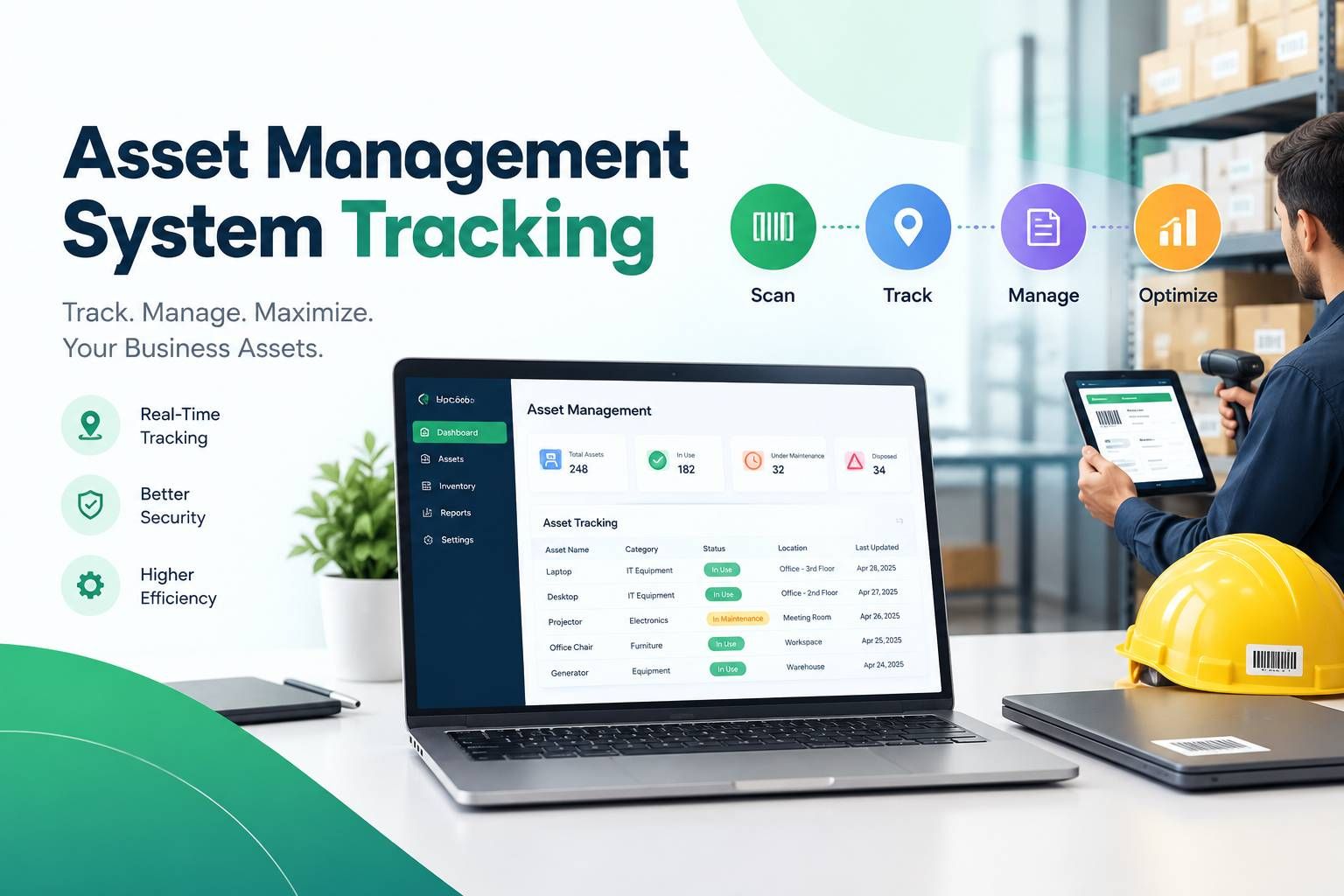
If your business makes "things, moves things, or builds things, your physical gear is your lifeblood".
- Laptops, desktops, monitors, docking stations
- Servers, switches, routers, firewalls
- Phones, tablets, barcode scanners
- Printers and peripherals
Hardware has the highest loss rate of any category. People leave and keep their laptops. Devices get swapped during repairs and never logged. Every untracked device is wasted money and an open security vulnerability at the same time.
2.2.Software and Licenses
This is where the quiet money burns. Subscriptions auto-renew. Teams buy tools without telling IT. Seats stay assigned to people who resigned last year.
Track:
- License counts versus actual active usage
- Renewal dates and contract terms
- Version and patch status
- Which budget owns each tool
When you track software, you see who actually uses it. If you pay one hundred dollars a month for a design license for a worker who has not opened the app in 90 days, your system alerts you. You can take that license back and give it to a new hire. You save $1200 a year with three clicks of a mouse.
2.3.Physical and Operational Assets

Not all valuable assets take up space in the physical world. Your company also owns data, contracts, and intellectual property. While you might store the actual files in a secure cloud folder, your asset system should track the details around them.
- Machinery and production lines
- Vehicles and fleet
- Tools, forklifts, generators
- Medical and lab equipment
- Furniture and fixtures
These carry serious maintenance costs and long lifecycles. Tracking them properly is the difference between planned downtime and a production line sitting dead on a Tuesday morning.
2.4.Cloud and Digital Infrastructure
Cloud management resources act like assets even though you cannot touch them. Idle instances, oversized databases, forgotten test environments. They all bill you every month.
Track spend by team, by environment, by usage. Flexera's yearly cloud reports keep showing that organizations estimate roughly 27% to 30% of their cloud spend is wasted.
2.5.Digital Media and Data Assets
Brand files, product photos, videos, design libraries, and documents are considered examples of digital media as well as data assets. For marketplaces and retailers, these directly drive revenue. When they get lost or duplicated across five folders, everyone slows down.
3.What Metrics Should Your Asset Management System Track?
Putting all your gear into a database is a great start. However, data does not help you if you just stare at a list of serial numbers. To make smart choices as an executive, you need to look at asset management metrics.
These numbers tell you the health of your business. They show you where to spend money and where to cut back. Here are the top asset management KPIs every leader should watch.
3.1.Financial Metrics
1. Total Cost of Ownership
Purchase price is the smallest part of the story. TCO adds maintenance, repairs, energy, support tickets, insurance, training, and disposal.
A $1,200 laptop can quietly cost $2,800 over four years once you count support hours, repairs, and attached licenses. When leadership sees TCO clearly, refreshed decisions stop being arguments.
2. Depreciation and Book Value
Finance needs this for reporting and tax. Operations needs it to decide repair versus replace. One shared system eliminates the classic finance versus IT dispute.
3. Ghost Asset Rate
The share of assets on your books that no longer exist. Above 5% means you are paying insurance and tax on air.
4. Cost per Asset per Employee
Simple and revealing. It shows if spending per head is increasing without any matching gain in output.
3.2.Utilization Metrics
1. Asset Utilization Rate
This is the headline number. How much of an asset's available capacity are you actually using?
- Equipment: running hours divided by available hours
- Software: active users divided by licensed seats
- Vehicles or rooms: booked hours divided by open hours
Low asset utilization is the fastest win in any rollout. If 40% of your seats sit idle, you do not need a negotiation plan. You need a cancellation list.
2. Idle and Unassigned Assets
Devices in storage. Machines nobody has scheduled. Every idle asset is spent money doing nothing.
3. Checkout and Return Rates
For shared tools, this shows whether you have a real shortage or a hoarding habit. Usually it is hoarding.
3.3.Performance and Reliability Metrics
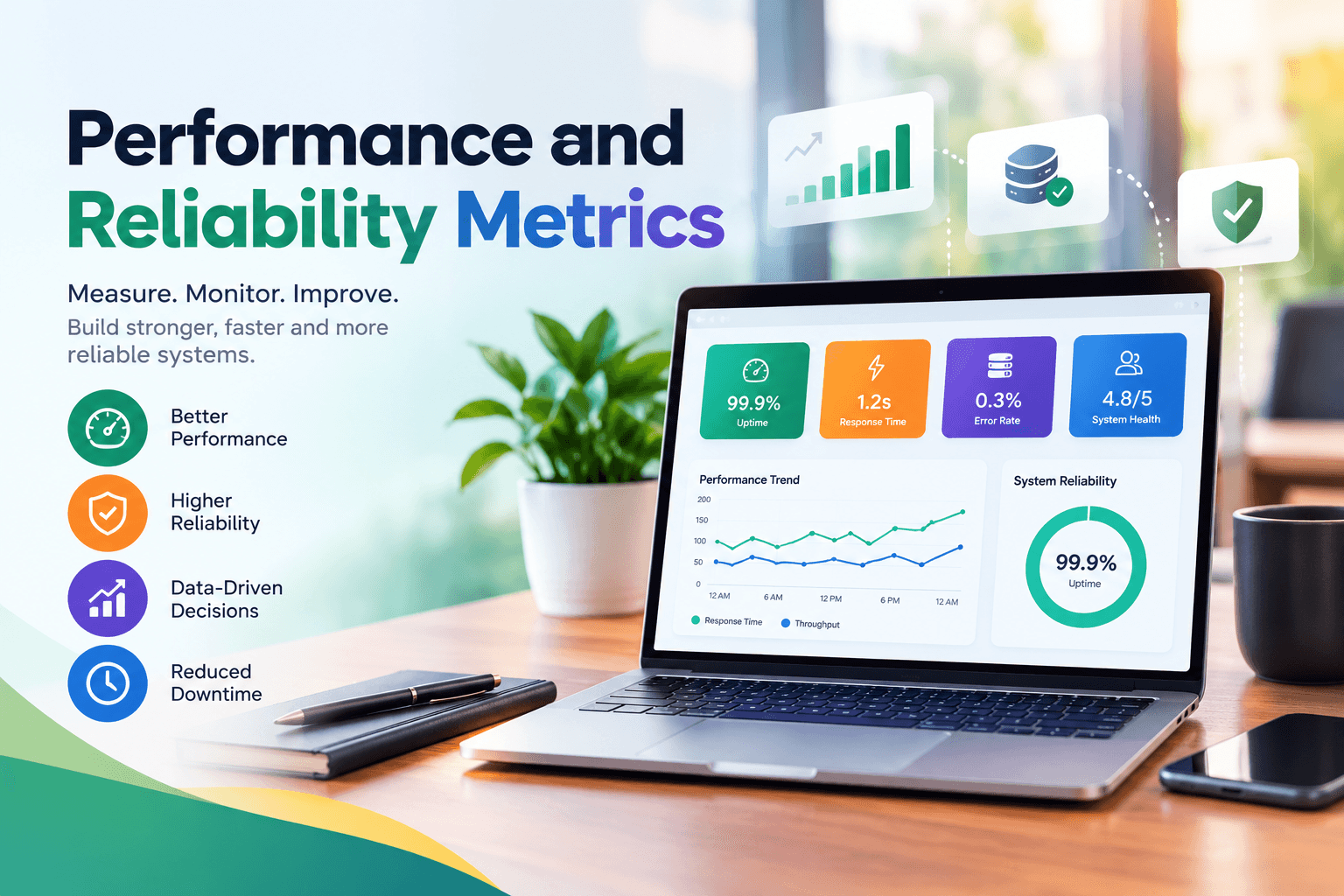
These asset performance metrics matter most if you run physical operations.
1. Mean Time Between Failures (MTBF)
Average runtime before something fails. Rising MTBF means maintenance is working. Falling MTBF is an early warning before it gets expensive.
2. Mean Time To Repair (MTTR)
How fast you get a broken asset back in service. If a warehouse scanner takes three days to replace, someone does manual entry for three days.
3. Downtime Hours and Downtime Cost
Track both. Hours show frequency. Cost shows leadership and why it matters.
4. Planned vs. Unplanned Maintenance Ratio
Strong operations sit near 80% planned. If most of your work is reactive, your team is firefighting instead of improving anything.
3.4.Lifecycle Metrics
Real Asset Lifecycle Management depends on knowing where each item sits in its journey.
1. Asset Age and Remaining Useful Life
Old assets fail more and cost more. Knowing age lets you budget replacements instead of reacting to failures.
2. Warranty and Contract Expiry
Paying for a repair a warranty would have covered is pure waste. Set alerts 60 to 90 days ahead.
3. Refresh Cycle Compliance
Are you replacing devices on the schedule you set? Most companies drift, then face one giant capital request all at once.
4. Disposal and Recovery Value
What did you get back at the end of life? This also feeds sustainability reporting, which enterprise buyers now ask about during procurement.
3.5.Compliance and Risk Metrics
1. Audit Readiness Score
How much of your inventory is verified and current? If an auditor walked in tomorrow, would you be calm or panicked?
2. License Compliance Rate
Overuse brings penalties. Underuse wastes cash. You only see either one if you track it.
3. Patch and Security Status
Every device with outdated software is an open door. Link a patch status to asset records so nothing hides.
4. Chain of Custody
Who held this asset, when, and what happened next? Non-negotiable in healthcare, finance, and regulated industries.
3.6.Operational Efficiency Metrics
Data Accuracy Rate
Percentage of records matching physical reality during spot checks. Target 95% or higher. Below that, people stop trusting the system and stop using it.
Time to Provision
Days from a new hire's start date to a working setup. Slow provisioning burns productive days and makes a poor first impression.
Request Fulfillment Time
How fast someone gets the gear they asked for. Long waits push teams to buy on their own, and shadow purchasing restarts the entire mess.
4.Common Mistakes to Avoid
These are the common mistakes that every business owner should avoid.
- Tracking assets but not outcomes: Serial numbers alone are not management. Tie every asset to a cost and a usage figure.
- Letting data go out of date: A register that is six months old is a story, not a record.
- Ignoring cheap items in bulk: One $60 headset does not matter. Four hundred of them do.
- Splitting finance and operations across two systems: Two versions of the truth mean endless reconciliation meetings.
- Treating it as an IT project: This touches finance, HR, procurement, security, and operations. Run it as a business program with executive backing.
5.Conclusion
Most leaders file asset management under housekeeping. That is exactly why the savings sit untouched year after year.
Look at what shifts when you get it right. You stop paying for software nobody opens. You stop replacing equipment with three good years left in it. You stop losing devices when people resign. You stop guessing during audits. You stop reacting to breakdowns you could have seen coming.
Every one of those is margin. Not revenue you have to go chase, but money you already earned and are currently handing away.
Companies that treat asset data as a business input move faster. They budget with confidence instead of guesswork. They negotiate with vendors using evidence instead of hope. And when growth arrives, their cost base does not grow at the same speed.
You do not need a perfect setup on day one. You need the right metrics on the right assets, reviewed by people who care about the answer. Start there.
6.FAQs
Q1. What should we track first if we are starting from zero?
Ans. Start with IT hardware and software licenses. Both are easy to discover automatically and deliver the fastest savings. Expand into operational equipment once your data accuracy passes 90%.
Q2. How often should we verify our asset inventory physically?
Ans. Run one full audit yearly, plus quarterly spot checks on 10% to 15% of inventory. High-movement items like phones and hand tools need checking more often.
Q3. Which single metric shows asset health most clearly?
Ans. Asset utilization is a single metric that exposes waste, over-purchasing, and capacity gaps in one number. For physical equipment, pair it with mean time between failures to catch reliability problems early.
Q4. How do we get teams to keep the data updated?
Ans. Make it effortless. Use scanning instead of typing, trigger updates automatically from HR and procurement, and then show managers their own team's asset costs. Visibility drives accuracy.
Q5. Does asset management software make sense for smaller businesses?
Ans. Yes, usually past 50 to 75 employees or once you manage significant equipment. Below that, a disciplined spreadsheet works. Above that, error costs outweigh software costs.
Q6. How long until we see returns?
Ans. Most companies see hard savings within three to six months from cancelled licenses and recovered equipment. Bigger maintenance and lifecycle gains typically arrive around twelve to eighteen months.